🥭🌱
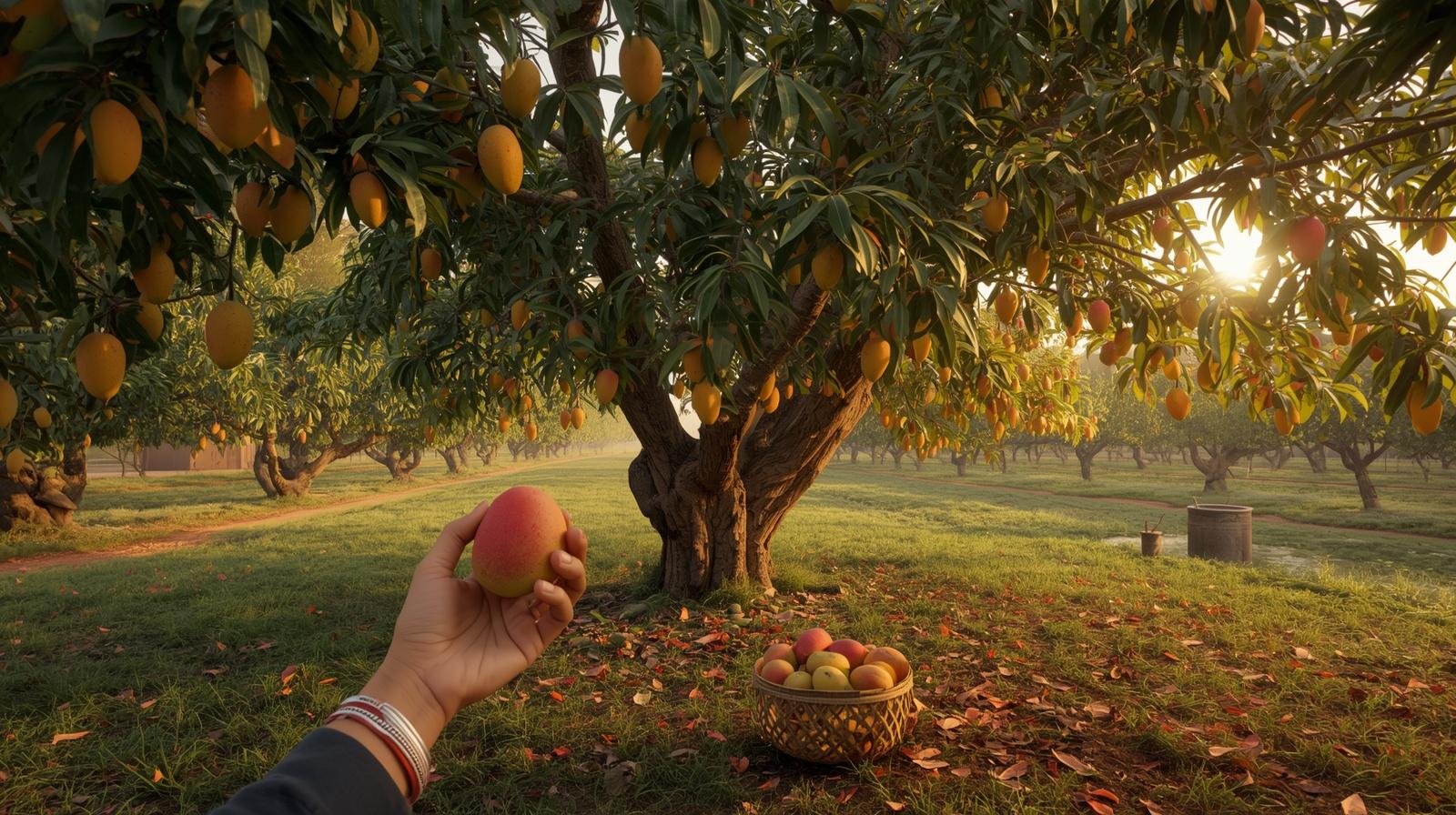
Mango farming is one of the most profitable fruit farming businesses in India. Known as the “King of Fruits”, mango is widely grown in tropical and subtropical climates and has high demand in both domestic and export markets. This guide explains the important steps for successful mango cultivation.
Climate Requirement
Ideal temperature: 24°C – 30°C
Flowering temperature: 18°C – 25°C
Rainfall required: 750–2500 mm per year
Mango trees need 6–8 hours of direct sunlight daily
Frost and extremely cold weather can damage plants.
Soil Requirement
Mango plants grow well in many soil types, but the best soil is:
Well-drained loamy soil
Soil pH level between 5.5 – 7.5
Avoid waterlogged areas because standing water can damage roots.
Popular Mango Varieties in India
India has many famous mango varieties such as:
Alphonso Mango – Premium export quality
Kesar Mango – Famous in Gujarat
Dasheri Mango – Sweet and aromatic
Langra Mango – Popular in North India
Banganapalli Mango – Large and juicy fruits
Farmers should choose varieties based on climate and market demand.
Land Preparation
Proper land preparation improves plant growth.
Steps:
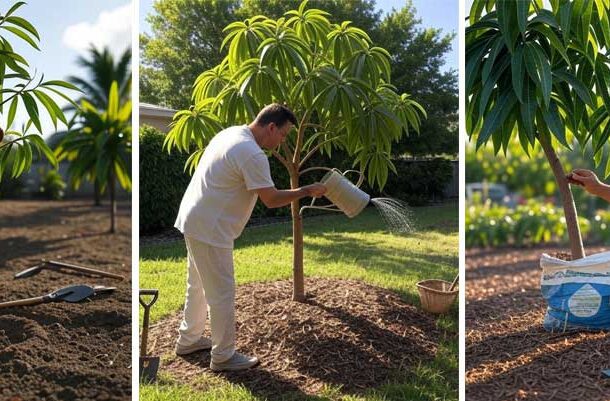
Plough the field deeply.
Remove weeds and stones.
Dig pits of 1m × 1m × 1m size.
Fill pits with soil mixed with:
10–20 kg farmyard manure
Organic compost
Neem cake.
Planting Method
The best time for mango planting in India is:
June – July (monsoon season)
Spacing between plants:
8m × 8m or 10m × 10m depending on variety.
This spacing allows trees to grow properly and receive enough sunlight.
Irrigation Management
Young plants need regular watering.
Water every 7–10 days during summer.
Reduce watering during winter.
Drip irrigation is recommended for water efficiency.
Mature trees require less irrigation except during flowering and fruit development.
Fertilizer Management
Proper nutrients improve fruit production.
Recommended yearly fertilizers per tree:
Organic manure: 20–30 kg
Nitrogen (N)
Phosphorus (P)
Potassium (K)
Fertilizers should be applied before flowering season.
Pest and Disease Control
Common mango pests and diseases include:
Mango hopper
Fruit fly
Powdery mildew
Anthracnose
Control methods:
Maintain orchard cleanliness
Use recommended bio or chemical pesticides
Remove infected branches regularly.
Flowering and Fruit Development
Mango trees usually start producing fruit after:
3–4 years (grafted plants)
6–8 years (seed-grown plants)
Flowering generally occurs in December to February, and harvesting takes place from March to June, depending on the variety.
Harvesting
Mango fruits are harvested when they reach proper size and maturity.
Signs of maturity:
Change in fruit color
Full fruit size
Slight softness near the stem
Harvesting should be done carefully to avoid damage.
Yield
Average yield per tree:
100–300 fruits per mature tree per year
Proper management can significantly increase productivity.